
New Brunswick Natural Climate Solutions Scenario Analysis

A scenario analysis was completed for the Government of New Brunswick using the ALCES landscape simulation model to explore potential future ecosystem carbon dynamics in the province. The capacity of ecosystems to sequester and store carbon in biomass and soil can be affected by fire and by land uses such as forestry, agriculture, and settlement expansion. A range of datasets and references were applied to identify relationships to track the effect of landscape dynamics and management practices on ecosystem carbon.
New paper on how Indigenous Knowledge and simulation modeling can be combined to comprehensively assess cumulative impacts to Indigenous rights

A new publication describes how Indigenous Knowledge and simulation modeling can be combined to comprehensively assess cumulative impacts to Indigenous rights. The approach was developed by IEG to address deficiencies in Canada’s environmental assessment process that result in incomplete assessment of impacts and insufficient opportunity for Indigenous led projects and collaboration…
Fort McKay Métis Nation Cumulative Effects Assessment and Toolkit
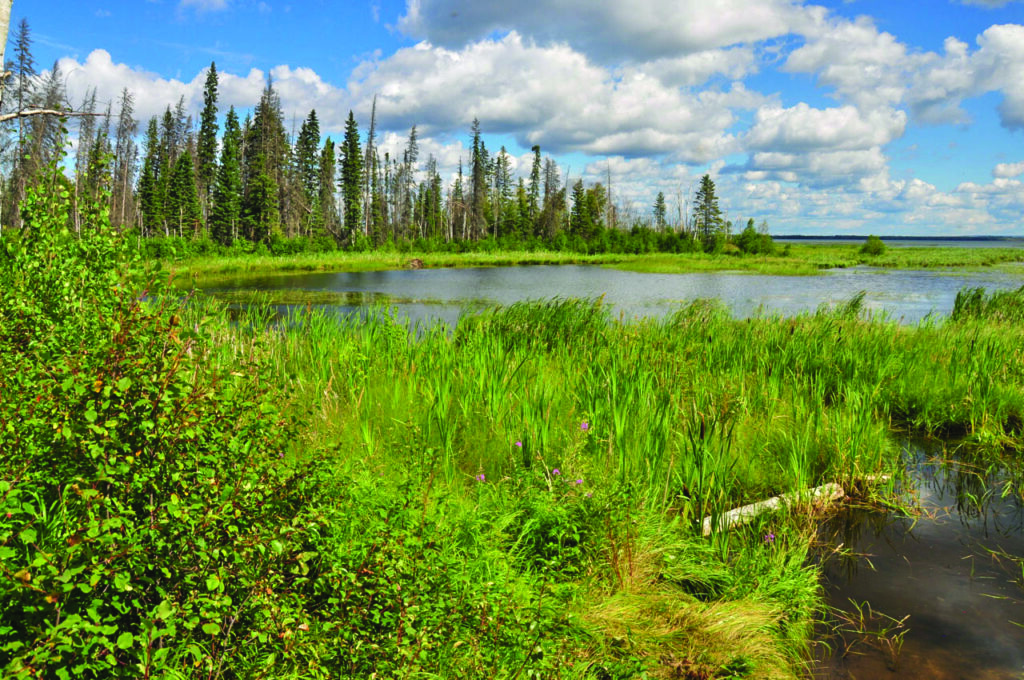
The capacity of environmental impact assessment (EIA) to understand cumulative effects to Indigenous territories in Canada is limited by the narrow scope of assessments and the marginalization of Indigenous knowledge.
Collaboratively Forecasting Landscape Change and Population Dynamics of Barren-ground Caribou
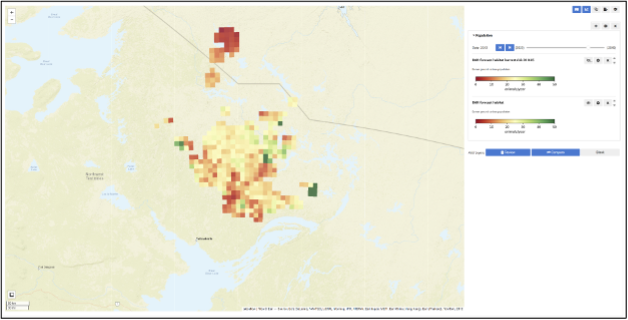
Barren-ground caribou, an ecologically and culturally important species in northern Canada, have been in decline and are threatened in the Northwest Territories (NWT). To improve capacity to explore drivers of caribou declines and test management strategies, the ALCES simulation platform was applied to develop a decision-support tool for five central barren-ground caribou (CBGC) herds (i.e., […]